
Science is continually seeking new ways to improve outcomes. One of the most exciting innovations in this field is the plasma-treated dental implant—with the potential to transform healing.
The Importance of Dental Implant Surface Properties
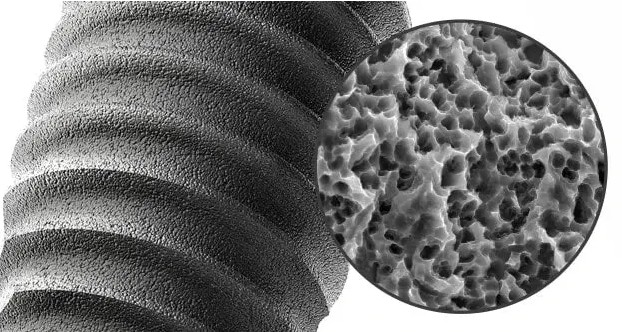
For any implant—dental, orthopaedic, or otherwise—the journey doesn’t end with successful placement. The surface characteristics of the implant play a pivotal role in this process, determining how the body reacts to it and how well new bone cells respond. The key aspects are:
Roughness and Texture: These processes create a large surface area for cell attachment and impact how quickly and securely bone anchors to the implant.
Cleanliness: Following processing, it is critical that impurities and processing remnants are removed to assist healing and reduce inflammation.
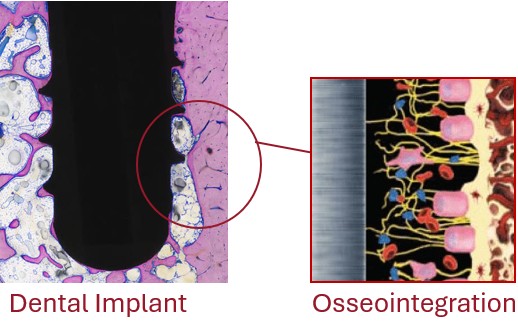
Osseointegration – crucial for a successful dental Implant
It’s at the microscopic level—where titanium meets living bone—that plasma treatment makes its most profound impact. True success is measured by how well the implant bonds with the surrounding bone, a process known as osseointegration.
What Is Plasma Treatment?
Plasma treatment uses ionised gas (plasma) to alter the surface of an implant, making it more biologically active. The plasma bombards the surface, cleaning it of organic contaminants and activating it by introducing functional chemical groups.
What are the main benefits of a plasma-treated dental implant?
Plasma treatment creates an ultra-clean, highly reactive surface that promotes faster and more secure integration between the implant and bone.
How is plasma treatment undertaken, and what are the limitations?
Chairside treatment involves a benchtop device in which inert gases such as argon or atmospheric air generate a non-thermal cold plasma field around the sterile implant. The implant must be used immediately, and treatment is subject to variability (gas type, power output, distance, and cycle times) that can make outcomes difficult to predict.
Some manufacturers, like Powerbone Dental Implant, offer a factory-accredited plasma treatment which overcomes the variability of chair-side treatment. The Powerbone Dental Implant is delivered in a solution to preserve activation, with activity maintained for 15 minutes after removal from the container.
The Scientific Benefits of a Plasma-Treated Dental Implant
1. Enhanced Osseointegration
Perhaps the most celebrated benefit of plasma treatment is its ability to accelerate and strengthen osseointegration. A plasma-treated dental implant presents a surface that bone cells (“osteoblasts”) find especially attractive, encouraging them to attach, proliferate, and create new bone directly on the implant.
Quicker healing: Patients often experience faster recovery times and more predictable outcomes.
Stronger bond: The implant is anchored more securely, reducing the risk of loosening or failure over time.
2. Reduced Risk of Infection
Cleanliness is critical in any surgical procedure, but it’s especially important for dental implants destined to remain in the body for years.
Plasma treatment effectively removes microscopic contaminants, such as organic residues and bacterial fragments, from the surface roughening (SLA treatment) that can cause inflammation or infection post-surgery.
Bacterial resistance: A plasma-treated dental implant offers fewer places for bacteria to hide and grow, safeguarding against complications.
3. Consistency and Reliability
Traditional surface treatments can be influenced by handling, packaging, and exposure to air, sometimes leading to variability in performance. Plasma treatment delivers a consistent, high-quality surface every time.
Both clinicians and patients benefit from knowing that each plasma-treated dental implant offers the same optimal environment for integration.
4. Improved Implant Wettability
Wettability is the ability of the implant surface to attract and hold moisture. Plasma treatment increases the hydrophilicity of a dental implant, meaning it attracts blood and bodily fluids.
When treated, the water contact angles drop to nearly 0°
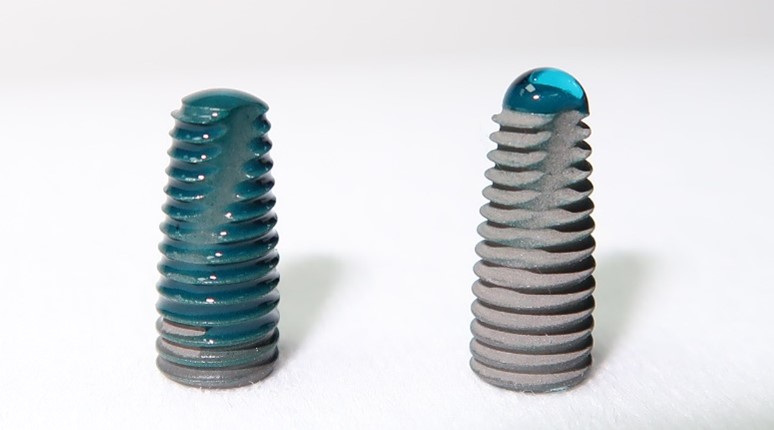
A low contact angle allows blood, proteins and bodily fluids to wet the entire implant surface instantly.
A higher concentration of cells drawn to the implant surface speeds up the natural healing.
In conclusion, plasma treatment represents a leap forward for anyone placing or receiving a dental implant. By improving the surface at the most fundamental level, a plasma-treated dental implant offers stronger integration, faster healing, and greater peace of mind.
As technology advances, so too does our ability to restore not only function, but joy, comfort, and confidence to people’s lives. The potential for plasma technology is staggering. Scientists are exploring ways to tailor the plasma process for different types of tissues and individual patient needs. There’s even ongoing work to incorporate bioactive molecules, growth factors, or antibacterial agents directly onto plasma-treated surfaces, further enhancing their healing potential
If you’re placing dental implants, then ask@implant-store.co.uk about the Powerbone Plasma Treated Dental Implant – it could make a world of difference for your future.
Powerbone Plasma Treated Dental Implant – the future implant today.
FEATURES IN ADDITION TO PLASMA TREATMENT:
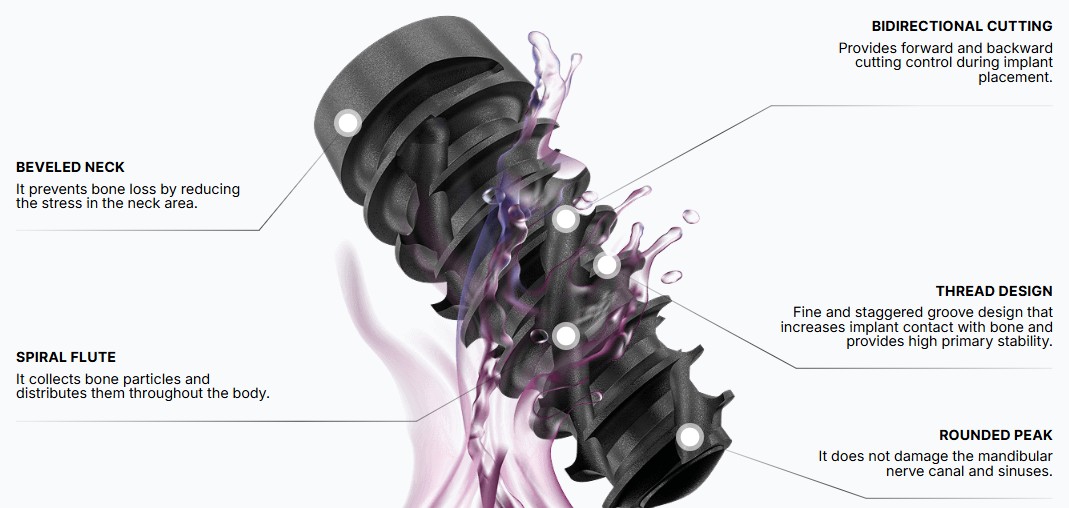
Thread Design: Bidirectional threads provide controlled, safe placement. A spiral fluted thread enhances primary stability, and a rounded apex reduces perforation risk.
Platform Switch: Reduces stress for prolonged bone volume.
5° Conical Connection: Minimises load and allows a wide range of restorative options. The connection is shared with Megagen Anyridge, meaning all restorative parts are interchangeable between the two systems.
READ MORE about the Powerbone Dental Implant HERE.
As research continues, the potential for plasma technology is staggering. Scientists are exploring ways to tailor the plasma process for different types of tissues and individual patient needs. There’s even ongoing work to incorporate bioactive molecules, growth factors, or antibacterial agents directly onto plasma-treated surfaces, further enhancing their healing potential.
For now, the plasma-treated dental implant stands at the forefront of a new era in implantology—one where technology and biology work together to deliver truly life-changing results.
Frequently Asked Questions
What exactly is a plasma-treated implant?
A plasma-treated implant is an implant whose surface has been modified using plasma technology, making it ultra-clean and more conducive to bone healing and integration.
Is plasma treatment safe for all types of implants?
Yes, plasma treatment is a well-established, biocompatible process suitable for titanium and other commonly used implant materials.
How does a plasma-treated implant differ from a standard dental implant?
The key difference is in the surface: plasma treatment creates a chemically active, contaminant-free surface that enhances bonding with bone and reduces infection risks.
Will a plasma-treated implant speed up my recovery?
Many studies and clinical experience suggest that plasma-treated implants can lead to faster and more reliable healing, though individual results may vary.
Can plasma treatment be combined with other surface modifications?
Absolutely. Plasma treatment can be used alongside other technologies, such as SLA roughening, to further optimise implant performance.