Everyone faces pressure on their time, including patients. The following approaches simplify implant placement and allow clinicians to meet expectations while remaining within safe and reproducible limits.

Atraumatic extraction
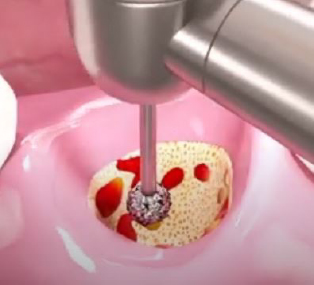
Before placement, new devices are available to aid extraction and degranulate the site, ensuring a fresh bone bed for unchallenged healing.
Early loading protocols with simultaneous grafting
According to a study by Fairbairn & Leventis, placing the implant 4 weeks after extraction, augmenting the bone around the implant utilising fully resorbable, biomechanically stable alloplastic materials such as Powerbone Dental Putty allows loading at 12 to 16 weeks, saving significant time compared with traditional approaches.
Implant Design.
The design of dental implants follows trends with broad agreement on key factors. Grade 23 titanium alloy reduces fractures and allows for narrow diameters. Hybrid threads are increasingly adopted as part of 3rd-generation implant designs, which deliver superior mechanical and biological performance.
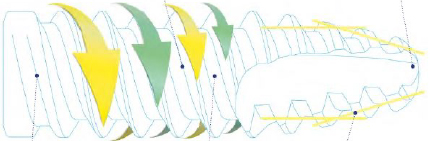
Powerbone Dental Implant and Bioner TopDM incorporate such designs with a conical connection, shown to preserve crestal bone and provide all-round, greater implant stability.
Surface Treatment Impacts Osseointegration
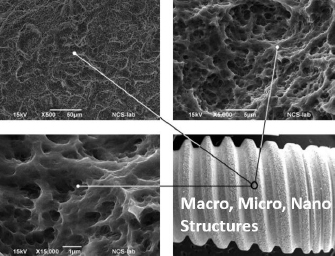
The success of dental implants is based on a process known as osseointegration (when bone cells attach themselves directly to the titanium surface), which locks the implant into the bone. Osseointegration is linked to patient health and implant surface morphology. Surface treatments include sandblasting and acid-etching to create a macro, micro and nano surface structure. These treatments enlarge the bone to implant contact (BIC), promoting osseointegration and early restoration.
Surface Treatment Impacts Osseointegration
The success of dental implants is based on a process known as osseointegration (when bone cells attach themselves directly to the titanium surface), which locks the implant into the bone. Osseointegration is linked to patient health and implant surface morphology. Surface treatments include sandblasting and acid-etching to create a macro, micro and nano surface structure. These treatments enlarge the bone to implant contact (BIC), promoting osseointegration and early restoration.
Plasma Treatment
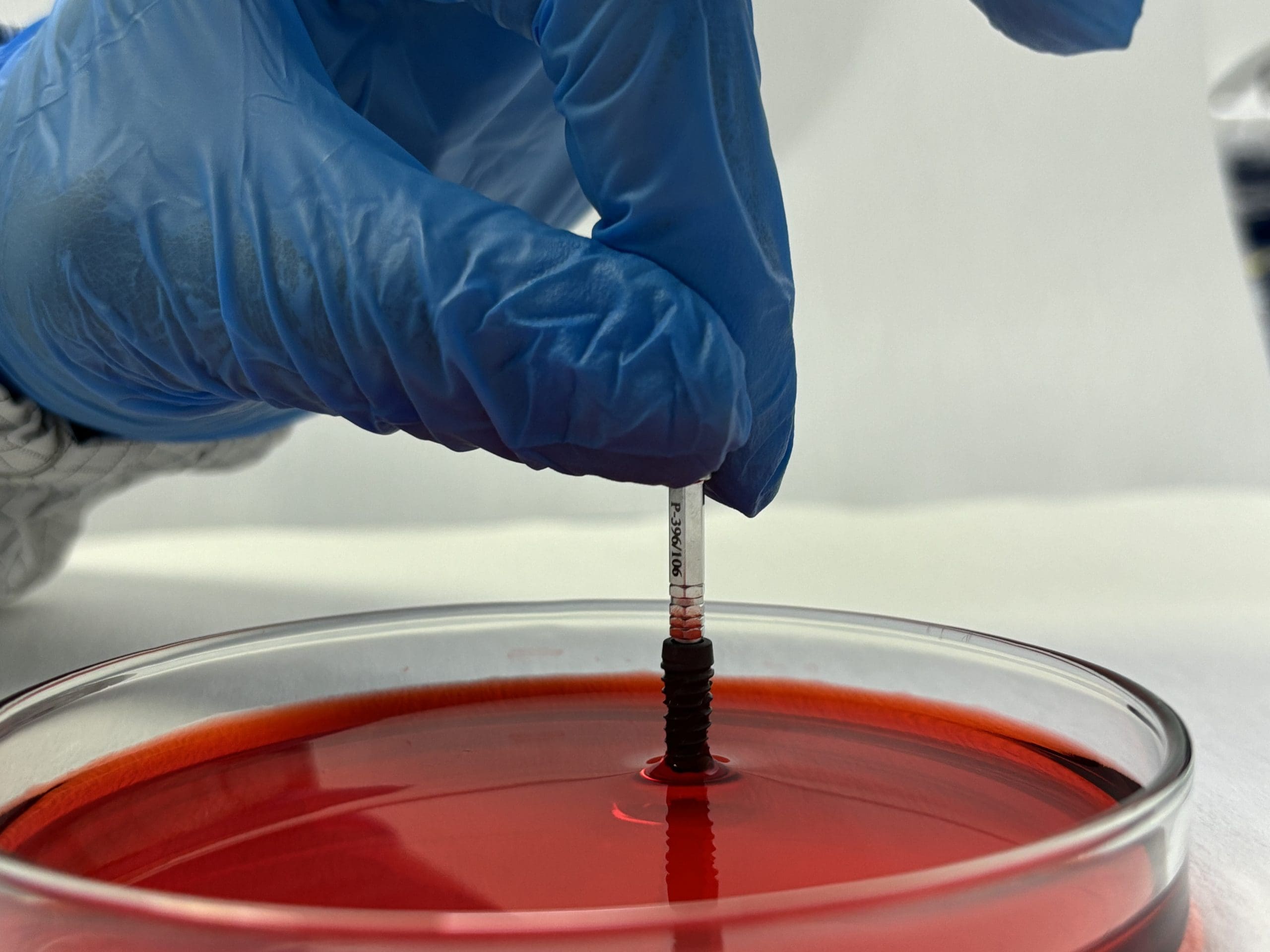
Plasma treatment removes processing impurities (see below) from the SLA blasting and introduces hydroxyl groups, which significantly lower the surface wetting angle. Plasma treatment is associated with the following clinical benefits:
Faster Healing: Hydrophilic surfaces attract blood, biological fluids and proteins, leading to shorter healing times compared to standard SLA surfaces.
Enhanced Osseointegration: Stronger cell attachment, proliferation, and differentiation of bone-forming cells enhance the connection between bone and implant.
Processing impurities impacts early healing
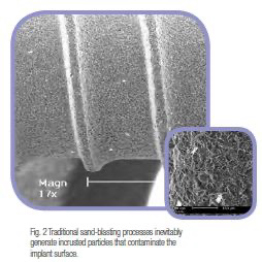
The traditional Sand Blasted Acid Etched (SLA) create a rough surface favouring bone anchoring and biomechanical stability. However, the Clean Implant Foundation highlight studies showing how healing and long-term performance of dental implants are greatly dependent on the degree to which residual processing particles and impurities are eliminated. Spanish manufacturer Bioner patented its Biotech® surface for its TOP DM implant. This unique process produces a macro and micro-textured surface without sand-blasting, eliminating the problem of surface contamination. The treatment is reported to stimulate osseointegration and shorten load time.
Simplification
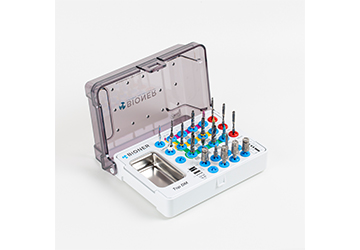
Efficiency can be extended by choosing a system that utilises the same internal connection across its full implant range. This has the advantage of allowing a single and simpler surgical kit and, critically, one connection for all restorative parts. For example, the Bioner TopDM kit measures 15 cm x 10 cm.
Immediate Placement
Implants designed for subcrestal, such as TopDM or Powerbone Dnetal Implant, reduce post-surgical tension, which is known to cause marginal bone loss. A thread presents with a dual pitch and conical shape, plus a neutral apex, allowing quick, safe insertion and excellent primary stability for post-extraction and immediate loading.
Early loading
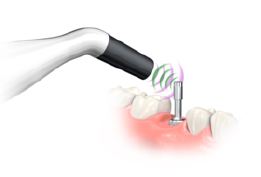
Immediate or 12-week loading following simultaneous grafting procedures is shown to allow successful long-term functional results regarding alveolar bone regeneration and implant rehabilitation. Doubt regarding stability can be reduced with RFA technologies such as Penguin RFA, which allows comparisons between stability at placement and before loading.
Customised Restorations
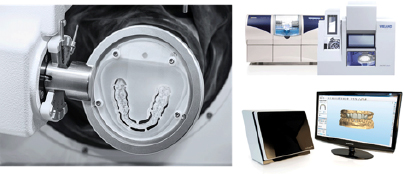
Cutting-edge 3D printing and milling technologies are now widely available that utilise state-of-the-art machines to produce surgical guides and custom abutments, which help clinicians ensure the critical alignment of the implant osteotomy.